Santa Baby Retro Christmas Design Review
As a designer who spends half my life staring at stitch charts and the other half troubleshooting tension issues on an embroidery machine, I don’t just buy designs because they look cute in a thumbnail. I buy them because they translate well from vector to thread. When I pulled up Santa Baby Retro Christmas Design, my first instinct was to evaluate it not as a static image, but as a functional asset for real-world production. Whether you are running a boutique Etsy shop or crafting personalized gifts for family, the difference between a design that looks good on screen and one that stitches beautifully is night and day. Here is my practical breakdown of how this machine embroidery design holds up when you take it out of the digital realm and into the hoop.
First Impressions: Mood and Visual Personality
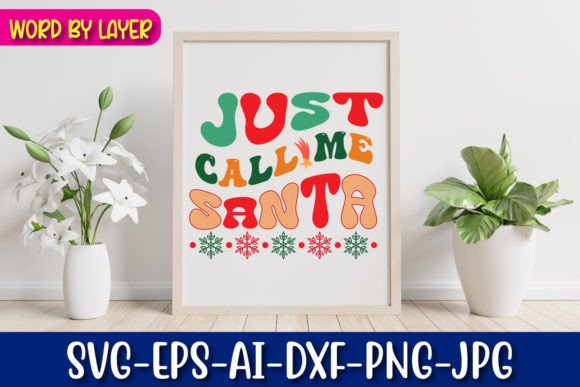
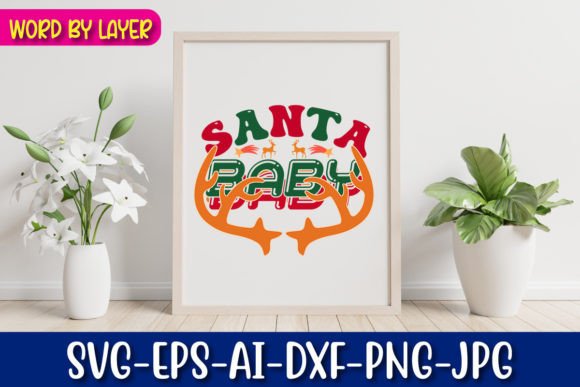
The immediate appeal of Santa Baby Retro Christmas Design lies in its nostalgic energy. It isn’t your standard, stiff Santa Claus clipart. The retro aesthetic suggests a playful, vintage vibe that resonates strongly with current trends in handmade goods. For a craft business owner, this visual personality is gold. It feels approachable, fun, and slightly edgy, which makes it perfect for a demographic that wants holiday cheer without the cliché.
From a layout perspective, the design has a strong central focus, which is crucial for custom apparel. It doesn’t feel cluttered, allowing the eye to rest on the main character while still picking up on the surrounding decorative elements. This balance is what separates a professional-grade embroidery file from amateur scrapes. The shape language feels confident, suggesting that the underlying vector paths were likely crafted with precision rather than auto-traced haphazardly. For anyone looking to create a cohesive brand identity around holiday merchandise, this design offers a distinct voice that stands out against generic seasonal offerings.
Real-World Application: Where This Design Shines
I like to imagine where this design would live in a finished product before I even load the thread. My mental mockup starts with a cream-colored canvas tote bag. The contrast of dark threads against the natural fabric would highlight the retro lines beautifully, making it a standout item for a craft fair booth. It works equally well as a chest-level placement on a heavyweight sweatshirt, offering a cozy yet stylish holiday statement piece.
For those selling on platforms like Etsy, versatility is key. This holiday embroidery design fits seamlessly into several high-demand categories:
- Baby Items: The "Santa Baby" theme naturally lends itself to nursery decor or baby onesies. However, care must be taken with scale to ensure it remains gentle and appropriate for infants.
- Kitchen Textiles: A tea towel or apron featuring this design adds a whimsical touch to holiday hosting. The sturdy nature of cotton kitchen towels handles the stitch density well, preventing puckering.
- Accessories: An embroidered patch style application on a baseball cap or beanie captures that streetwear-meets-holiday aesthetic that is very popular right now.
- Home Decor: Pillow covers or small wall hangings allow the design to breathe, giving customers a piece of art rather than just branded merch.
The design’s adaptability means it can serve as a personalized gift anchor. Imagine adding a name underneath or beside the graphic. Because the main graphic is bold, it provides enough visual weight to support additional text without feeling unbalanced. This is a huge plus for small shop product creators who need to offer customization options.
Technical Considerations and Potential Pitfalls
No design is flawless, and transparency is part of being a responsible reviewer. While Santa Baby Retro Christmas Design is visually striking, there are specific scenarios where it requires careful handling. Embroidery is a subtractive process; you are removing fabric space to add thread volume. If you attempt to digitize or use this design on a very small hoop size, you risk losing critical details. Tiny curves and fine lines may merge together, turning into muddy blobs of color rather than crisp shapes.
Fabric choice is equally critical. Avoid using this design on highly textured fabrics like chunky knits or heavy wools unless you are using a stabilizer specifically designed for such materials. The needle penetration could become inconsistent, leading to skipped stitches. Similarly, stretchy fabrics like thin jersey require a heavy-duty tear-away or cut-away stabilizer to prevent the design assets from distorting during the stitching process. If you are working with dark fabric, pay close attention to your thread colors. Light pastel threads might get lost in the weave, whereas bright, saturated retro tones will pop effectively.
Another area of caution is dense stitch areas. If the design includes large blocks of fill stitch, ensure your machine is capable of handling the thickness. Overloading a single area can cause the fabric to pucker excessively, ruining the drape of a garment. Always test the stitch density by checking the back of the sample; if the backing is visible through the top stitches, the density is too high for delicate fabrics.
Practical Notes for the Embroidery Designer
Before committing to a full production run, follow these steps to protect your reputation and your time:
- Test on Scrap Fabric: Never skip this step. Stitch the design on a piece of the exact fabric you plan to use. Check for alignment, tension, and how the threads interact with the material.
- Review Stitch Types: Identify where satin stitch, running stitch, and fill stitch are used. Satin stitches should lie flat without gaps; fill stitches should cover the fabric completely. Adjusting these in your software can save hours of rework.
- Check Hoop Size: Ensure the design dimensions fit comfortably within your machine’s maximum hoop size, leaving room for stabilization and margin adjustments.
- Black and White Mockups: View the design in grayscale to check contrast levels. If the design relies on subtle tonal differences that disappear in black and white, it may lack clarity in monochrome thread palettes.
- Confirm Licensing: Since this is a digital download, verify the license terms. Are you allowed to sell the finished physical products? Is there a limit on the number of units? Clarifying this prevents legal headaches down the road.
Final Verdict: Value and Professionalism
Ultimately, Santa Baby Retro Christmas Design is a strong contender for designers looking to add festive flair to their portfolio. It strikes a balance between artistic expression and commercial viability. For the Etsy seller or creative entrepreneur, it offers a ready-made solution that feels custom and thoughtful. The retro theme ensures it won’t look dated next year, extending the lifecycle of your inventory.
However, success depends on execution. A great embroidery project is 50% design and 50% technique. By respecting the technical limitations of fabric and thread, and by testing thoroughly, you can transform this digital asset into a tangible, high-quality finished product that customers will love. It is not just a decoration; it is a statement piece that, when done right, elevates the perceived value of your handmade goods. If you are willing to put in the prep work, this design pays off in customer satisfaction and repeat business.