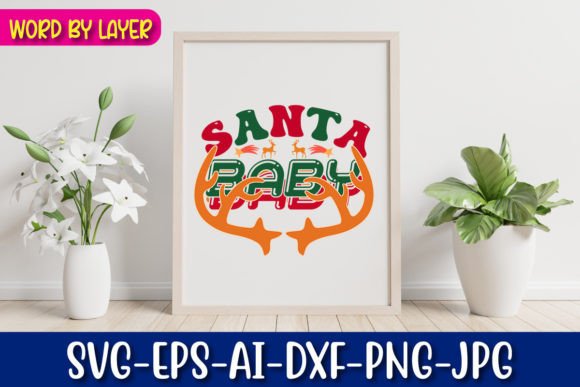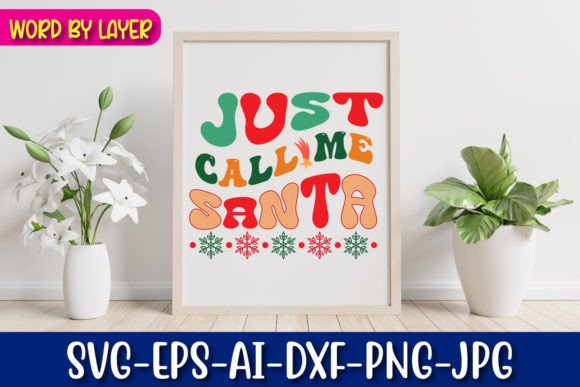
Just Call Me Santa Retro Christmas Design Review
As a designer who spends half my life staring at stitch maps and the other half trying to sell handmade goods online, I don’t have time for designs that look good in a digital preview but fall apart under the needle. That is exactly why I took Just Call Me Santa Retro Christmas Desig for a spin before recommending it to my readers or using it in my own small business inventory. This isn’t just another clip-art holiday graphic; it is a machine embroidery design that requires specific consideration to translate its retro charm into a high-quality finished product.
The title alone sets a tone. It is playful, confident, and leans heavily into vintage aesthetics without feeling dated. When you first open the embroidery file, the visual personality jumps out immediately. The layout is bold, which is crucial for custom apparel where readability from a distance matters. However, the devil is always in the details when we are talking about thread density and fabric interaction.
First Impressions: Mood and Visual Personality
The mood of this piece is unmistakably festive but with a cool, detached edge. It avoids the saccharine, overly cute aesthetic that saturates the market every November. Instead, it offers a stylized, graphic approach that feels like something you would see on a mid-century diner menu or a vintage concert poster. For an Etsy seller or small shop product owner, this distinction is vital. It allows you to target a demographic that wants holiday cheer but also values modern, minimalist, or retro-inspired design assets.
The shape and theme are cohesive. The typography is likely the hero here, paired with supporting graphics that frame the text rather than compete with it. In my experience, successful holiday embroidery relies on balance. If the decorative elements are too busy, they clutter the message. If they are too sparse, the design feels empty. This design strikes a solid middle ground, offering enough visual interest to hold attention while keeping the "Just Call Me Santa" message front and center.
Real-World Application: Where Does It Shine?
I spent some time mentally mapping out where this design would perform best. My immediate thought was sweatshirt embroidery. The retro vibe pairs perfectly with heavyweight cotton blends often used in cozy winter wear. Imagine this stitched in a crisp white or cream thread on a charcoal gray crewneck. The contrast would pop, and the nostalgic feel would add perceived value to the garment.
Beyond apparel, I see strong potential in home decor items. A tote bag design made from durable canvas could handle the stitch weight well, creating a functional accessory that doubles as a statement piece. Similarly, applying this to kitchen textiles like tea towels or aprons makes sense. These items are frequently gifted during the holidays, and a design that says "Just Call Me Santa" adds a touch of humor and warmth to the giver’s effort.
For those selling digital products, this serves as excellent design assets. The layered nature of the files allows creators to experiment with color palettes before committing to physical production. Whether you are making printable mockups for clients or testing concepts for your own line, having a versatile digital embroidery file that can be easily adapted is a significant advantage.
Technical Performance and Stitch Clarity
When evaluating any craft business asset, I look at how the design translates from vector to thread. The provided formats include SVG, EPS, and PNG files, which gives you flexibility in how you prepare the design for your machine. However, the true test is the stitching itself.
In scenarios involving applique design techniques, this graphic likely benefits from clean lines and distinct shapes. If the design uses satin stitch for outlines, ensure your tension is calibrated correctly to prevent puckering, especially on lighter fabrics. For larger filled areas, fill stitch consistency is key. You want the texture to be uniform, not patchy. If there are fine details or tiny lettering, be cautious. Running stitch details can get lost if the fabric has a heavy texture or nap, such as fleece or terry cloth.
I strongly advise testing the design on scrap fabric first. Check the stitch density against the fabric weight. If the design is too dense for a thin jersey knit, it will warp the material. If it is too light for a thick denim, it might look insubstantial. Always confirm the recommended hoop size to ensure the entire graphic fits comfortably within your machine’s capabilities without awkward resizing that could distort the aspect ratio.
Fabric and Context Considerations
Not all surfaces are created equal. While this design works beautifully on stable woven fabrics, you should use caution with stretchy materials unless you are using a proper stabilizer. A tear-away or cut-away stabilizer can make or break the longevity of the embroidery, particularly for items that will undergo frequent washing, like baby clothes or dish towels.
Dark fabrics require careful thread colors selection. A standard red-on-black scheme might work, but consider off-whites, creams, or metallics to enhance the retro feel. Conversely, on light fabrics, darker threads provide better definition. Always inspect small details in black and white mockups to ensure contrast holds up without color interference.
Product Value and Customer Trust
From a branding perspective, using a high-quality, well-executed design like Just Call Me Santa Retro Christmas Desig signals professionalism. Customers can often tell the difference between a mass-produced, low-resolution print and a carefully stitched, hand-finished item. The clarity of the design contributes to customer trust and enhances the handmade presentation.
When you list this as a personalized gift option, the unique phrasing helps it stand out in search results and social media feeds. It is shareable content. People love posting their holiday gifts online, and a design that is both funny and stylish increases the likelihood of organic engagement. This directly impacts your brand consistency if you are building a boutique brand around witty, seasonal merchandise.
Practical Designer Notes for Success
- Test Before You Sell: Never assume a digital file will stitch perfectly on the first try. Run a test on the actual fabric you plan to use.
- Check Licensing: Before listing this as a commercial embroidery product, verify the license terms. Some designs allow personal use only, while others permit commercial sales of finished goods. Do not guess; read the fine print.
- Stabilizer Choice: Use the appropriate stabilizer for your fabric type. Heavy fabrics need strong support; delicate fabrics need gentle removal.
- Thread Quality: Cheap thread can break or fuzz, ruining the professional look. Invest in high-quality polyester or rayon threads that match your vision.
- Hoop Size Verification: Ensure the design dimensions fit your intended project area. A design meant for a chest pocket will not work for a full-back print without scaling, which may affect detail.
In conclusion, Just Call Me Santa Retro Christmas Desig is a versatile, mood-setting addition to any embroidery project library. It bridges the gap between traditional holiday themes and modern, retro aesthetics. By paying attention to fabric choice, stitch quality, and licensing, you can turn this digital download into a profitable, beloved handmade product that resonates with customers looking for something slightly different this season.