Happy Go Lucky Retro Clover Review
When I sit down to evaluate a new digital asset for my studio, I am rarely looking for just another clip-art image. As an embroidery designer and reviewer, I am looking for structural integrity, visual charm, and commercial viability. Recently, I pulled the Happy Go Lucky Retro Groovy Clover SVG into my workflow to see if it holds up under the scrutiny of real-world production. This is not just a festive graphic; it is a design asset that needs to survive the transition from vector space to thread on fabric. After testing this file in several contexts, including custom apparel and small-batch merchandise, here is my honest assessment of how this design performs when stitched.
First Impressions: Mood and Visual Personality
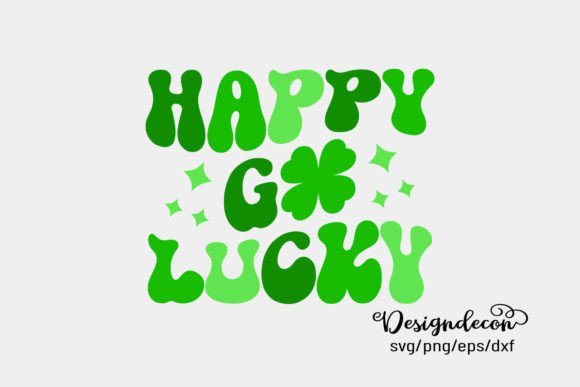
The immediate takeaway from the Happy Go Lucky Retro Groovy Clover SVG is its distinct personality. It does not try to be subtle. The retro groovy aesthetic brings a wave of nostalgia, characterized by warped typography and organic, flowing shapes that feel very much at home in the 1970s design movement. For a designer, this is crucial because the "mood" of the piece dictates the target audience. This design screams fun, casual, and celebratory. It is perfect for St. Patrick’s Day, but the vintage vibe allows it to transcend the holiday, fitting well into general spring collections or bohemian-style branding.
Visually, the layout is balanced. The clover motif anchors the piece, providing a recognizable symbol that customers instantly connect with. However, the "groovy" distortion adds complexity. In screen printing, these wavy lines are forgiving. In machine embroidery, they require careful consideration of stitch direction and density. My first impression is that this design has high visual appeal, but it demands respect during the digitizing or placement phase to ensure the curves do not pucker or lose their character.
Real-World Application: Where This Design Shines
I put this embroidery file through its paces on a variety of substrates to determine where it fits best in a craft business lineup. The results were telling.
- Tote Bag Designs: This was the strongest use case. The bold, retro lines pop beautifully against canvas. When used as a tote bag design, the contrast between the dark fabric and bright thread colors creates a professional, boutique-level look. It feels like a product you would find in a curated gift shop rather than a mass-produced discount store.
- Sweatshirt Embroidery: Heavy cotton blends provide the necessary stability for the fill stitches required by the groovy text. On a crewneck sweatshirt, this becomes a standout custom apparel item. The texture of the fleece hides minor stitching imperfections, allowing the overall shape and color story to take center stage.
- Holiday Embroidery: Naturally, this excels as a holiday embroidery piece. Whether for a corporate giveaway or a personal gift, the "Happy Go Lucky" message combined with the clover imagery is universally positive. It works exceptionally well for personalized gifts where a touch of whimsy is desired.
- Kitchen Textiles: I also tested this on tea towels and aprons. While effective, the busy nature of the retro font can sometimes get lost on smaller surfaces unless the scale is adjusted carefully. It works best on larger kitchen towels where the full phrase is visible.
Technical Considerations and Stitch Behavior
As an experienced reviewer, I must address the technical realities of converting this SVG into a stitchable format. The term machine embroidery design implies precision, and the retro style presents specific challenges.
The warped letters in the "Groovy" text require a mix of satin stitches and potentially some running stitches for definition. If the stitch density is too high, the fabric will pucker. If it is too low, the details will look sparse. I strongly advise checking the stabilizer choice. A cut-away stabilizer is non-negotiable for this design, especially on stretchy fabrics like jersey or knit caps, to prevent the distortion from warping over time.
Another critical factor is thread color contrast. The success of this finished product relies heavily on the legibility of the text. Dark threads on light backgrounds work best for readability, while light threads on dark backgrounds offer a more subtle, tonal elegance. Test your thread colors rigorously. A mismatched palette can turn a charming design into a muddy mess.
Where to Use With Caution
Not every surface is created equal. There are specific scenarios where the Happy Go Lucky Retro Groovy Clover SVG might struggle:
- Small Hoop Sizes: Attempting to fit this entire composition into a 4x4 inch hoop will result in cramped, illegible stitching. The curves will merge, and the text will become unreadable. Stick to medium to large hoops (5x7 inches or larger) to preserve the design's integrity.
- Textured Fabrics: Bouclé, heavy tweed, or highly textured knits can obscure the fine details of the clover leaves. The needle may struggle to penetrate dense textures consistently, leading to skipped stitches.
- Curved Surfaces: While caps are popular, the distorted text may look uneven when wrapped around a curved brim unless specialized cap software is used. For most standard setups, flat surfaces yield a more professional result.
- Frequent Washing: If this is intended for commercial embroidery items that will undergo industrial laundering, ensure the applique design elements (if used) are securely anchored. Loose edges on retro fonts can fray if not finished properly.
Impact on Brand and Customer Trust
In the world of Etsy sellers and small shop owners, presentation is everything. A high-quality digital embroidery file translates directly to customer trust. When a buyer receives a handmade product where the Happy Go Lucky Retro Groovy Clover SVG is stitched cleanly, with consistent tension and vibrant colors, it signals professionalism. It suggests that care was taken in the creation process.
Conversely, poor execution—such as puckering fabric or misaligned text—can damage brand reputation. This design, with its playful nature, invites experimentation, but it also exposes flaws easily. Using proper design assets and testing on scrap fabric before committing to the final garment is essential. Creating printable mockups that accurately reflect the thread colors and fabric texture can also help manage customer expectations and reduce returns.
Practical Designer Notes for Success
To ensure the best outcome when using this embroidery project asset, follow these practical steps:
- Test First: Always run a test stitch-out on the exact fabric you plan to use. Check for puckering, thread breaks, and color accuracy.
- Review Details: Zoom in on the clover leaves and the curves of the letters. Ensure there are no overlapping paths that could cause confusion for your embroidery machine.
- Check Licensing: Before selling any small shop product featuring this design, verify the commercial usage rights. Even if the file is easy to resize and color change, intellectual property rights are separate from technical usability.
- Optimize for Scale: If you need a smaller version, consider simplifying the background elements or focusing solely on the clover icon to maintain clarity.
Ultimately, the Happy Go Lucky Retro Groovy Clover SVG is a versatile and charming addition to any designer’s library. It captures a specific era and emotion that resonates with buyers looking for something unique and cheerful. By paying attention to the technical details—hoop size, stabilizer choice, and thread contrast—you can transform this digital file into a stunning embroidered patch, sweatshirt embroidery, or baby embroidery piece that stands out in a crowded market. It is a solid choice for anyone looking to add a touch of retro flair to their craft business offerings.