Retro Halloween Happy Haunting Embroidery Review
When I first pulled the Retro Halloween Happy Haunting file into my digitizing software, I didn’t just see a graphic; I saw a potential bestseller for the upcoming holiday season. As an embroidery designer who spends hours evaluating how vector art translates to thread, I look for designs that balance nostalgia with stitch-ability. This Graphics category entry in the Crafts niche immediately caught my eye because of its distinct visual personality. It isn’t just another spooky skeleton; it carries a playful, mid-century vibe that feels fresh yet familiar.
First Impressions and Visual Personality
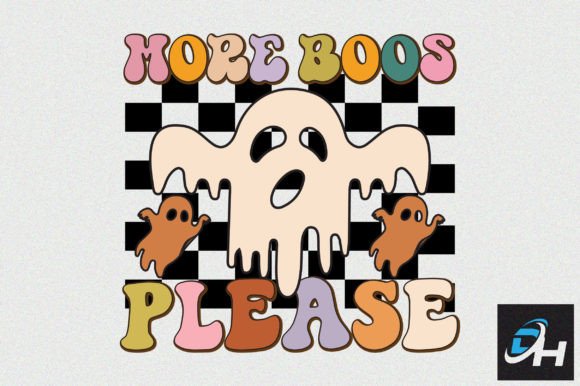
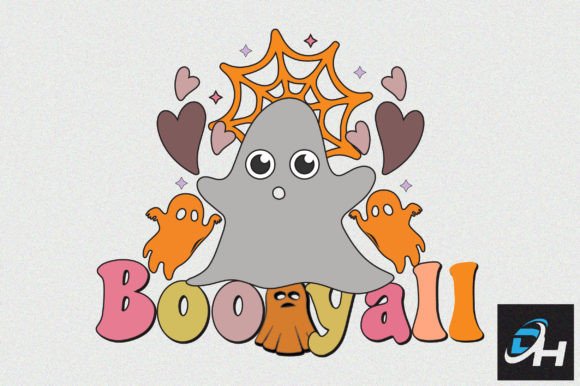
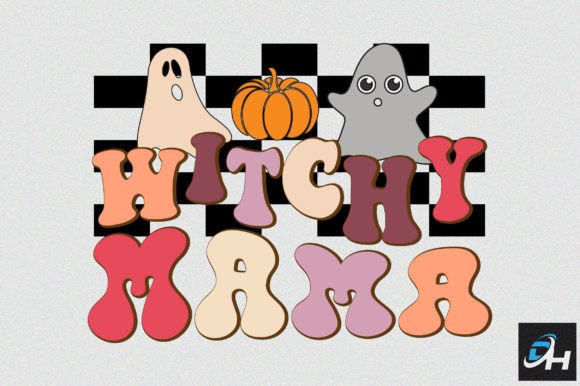
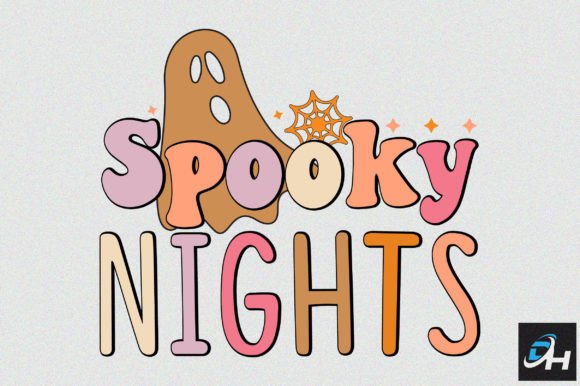
The Happy Haunting concept is executed with a clean, retro aesthetic that screams "boutique quality." The layout is balanced, avoiding the cluttered look that often plagues low-quality machine embroidery design files. From a design perspective, the shapes are bold enough to hold their form after stitching but detailed enough to feel premium. The mood is lighthearted rather than frightening, which broadens its appeal significantly. It works equally well for a child’s nursery decor or a trendy adult apparel line.
What stands out most is the character. The design has a whimsical energy that suggests movement without requiring complex, fragile details that might snag during production. For Etsy sellers and small shop product creators, this kind of approachable imagery builds immediate customer trust. Buyers want something they can wear or display with pride, not something that looks like a generic clip-art import. This file feels intentional.
Real-World Application: The Custom Tote Bag Scenario
To truly test a design, you have to imagine it on a finished product. Let’s say I am preparing a custom embroidered tote bag design for a local craft fair. I’m looking at a sturdy canvas tote, perhaps in a neutral oatmeal or deep navy color. Placing the Retro Halloween Happy Haunting design centered on the front panel creates an instant focal point. Because the design relies on strong outlines and solid fills, it pops against the textured fabric of the canvas.
Imagine handing this bag to a customer. They see the cheerful ghost or witch motif (depending on the specific variant in the bundle) and smile. It’s not aggressive; it’s festive. This emotional connection is what drives sales for handmade products. If I were to use this same design on a sweatshirt embroidery project, the contrast would shift, but the charm remains. On a heather grey hoodie, the retro colors would soften slightly, creating a cozy, vintage look that appeals to the autumnal market. The versatility here is key—it’s not limited to one type of embroidery project.
Performance on Different Fabrics and Products
This embroidery file shines when applied to structured items. Custom apparel like caps and hats benefits from the clean lines, as the curve of the cap helps frame the design naturally. Similarly, an embroidered patch made from this design would be highly collectible. The edges are defined, meaning the cut-away stabilizer removal process should be straightforward, leaving a neat finish.
For home goods, consider a kitchen towel or a pillow cover. The holiday embroidery theme fits perfectly into seasonal decor. When used on a tea towel, the design adds a touch of personality to a utilitarian item, making it a popular choice for personalized gift bundles. Parents also love using these motifs for baby embroidery, such as on muslin blankets or onesies, where the soft, friendly aesthetic is preferred over traditional scary Halloween imagery.
However, not every surface is ideal. While the design is robust, applying it to highly textured fabrics like chunky knitwear can obscure the finer details. In such cases, the stitch density might get lost in the weave, resulting in a muddy appearance. It is crucial to match the fabric weight to the design complexity.
Where Caution Is Required
There are specific scenarios where this design requires careful handling. If you plan to digitize or use this on small hoop sizes, pay close attention to the smallest elements. Tiny lettering or delicate decorative accents may become indistinguishable if the scale is too reduced. Additionally, stretchy fabrics like jersey knits require a high-quality tear-away or cut-away stabilizer to prevent puckering. Without proper support, the tension of the thread colors can distort the shape, ruining the clean retro look.
Dark fabrics present another consideration. While the design likely includes contrasting threads, always check the thread colors against your base material. A light pastel ghost on black fabric will look stark, while a dark design on navy might lack definition. Testing in a printable mockup or on actual scrap fabric is non-negotiable before committing to expensive inventory.
Technical Notes for the Designer
Before integrating Retro Halloween Happy Haunting into your commercial workflow, there are practical steps every creative entrepreneur should take. First, inspect the file for any unnecessary jumps or trims that could increase production time. Check the stitch density to ensure it is appropriate for the intended fabric—too dense on lightweight cotton can cause stiffness, while too sparse on fleece might show the backing.
It is also wise to review the design in black and white. This helps verify that the contrast between different stitch types, such as satin stitch borders and fill stitch interiors, holds up without relying on color alone. If the shapes merge together in grayscale, the design may need adjustment for optimal clarity.
Furthermore, confirm the licensing terms. The description mentions usage for home business or personal use, but as a professional reviewer, I advise you to read the fine print carefully. Are you allowed to sell the finished physical items? Can you include the digital file in a printable mockup pack? Clarifying these points protects your craft business from legal issues later on.
Final Verdict
Retro Halloween Happy Haunting is a standout asset for anyone looking to capitalize on the fall season. Its blend of nostalgic charm and technical viability makes it suitable for a wide range of applications, from commercial embroidery projects to heartfelt personalized gifts. It respects the medium of thread by prioritizing clear shapes and balanced composition.
For digital product sellers and design assets curators, this file adds value to a collection due to its broad appeal. It is not just a decoration; it is a conversation starter. By testing it thoroughly on various fabrics and respecting the technical limitations of smaller details, you can produce high-quality finished product lines that customers will love. If you are ready to elevate your small business merchandise with a design that feels both timeless and timely, this retro gem is worth your investment.