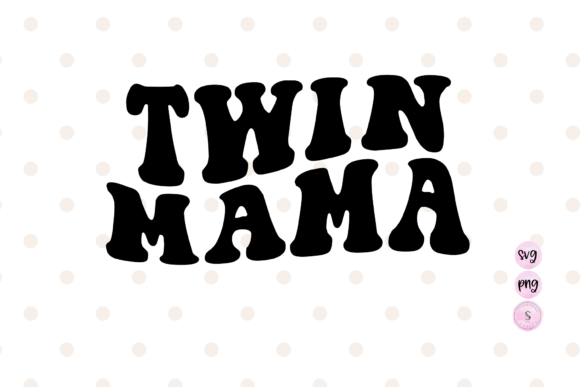
Twin Mama Retro Sublimation Embroidery Review
As a designer who spends half my life staring at stitch charts and the other half arguing with embroidery machines about tension, I don’t just look at a design file; I look at how it will behave on fabric. When I first pulled up Twin Mama Retro Sublimation, my immediate reaction wasn’t just about the sentiment—it was about the structural integrity of the layout and its potential for commercial viability. This isn’t just another generic "mom" graphic slapped onto a .pes file. It has a distinct visual personality that suggests it was built with specific stitching techniques in mind.
The term "retro" in the title immediately sets a mood. We are looking at vintage-inspired typography and perhaps some nostalgic graphical elements that evoke the late 60s or 70s aesthetic. For the modern crafter or Etsy seller, this is gold. The market is saturated with minimalist, clean-line designs. A retro approach offers warmth, nostalgia, and a tactile feel that resonates deeply with buyers looking for personalized gifts. But does it translate well from screen to hoop? Let’s break down the practical application of this design for real-world projects.
First Impressions and Visual Personality
The first thing that strikes you about Twin Mama Retro Sublimation is the balance between detail and readability. In the world of machine embroidery, there is always a tension between artistic expression and technical limitation. If a design is too intricate, it becomes a muddy mess of thread on a small tote bag. If it’s too simple, it lacks character.
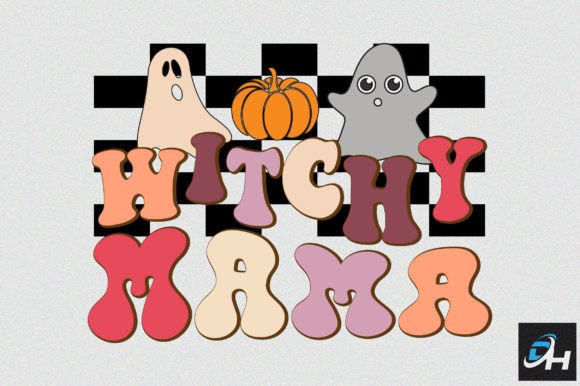
This design seems to navigate that middle ground effectively. The retro theme likely relies on bold curves, thick letterforms, or stylized icons—elements that play beautifully with satin stitches and fill stitches. The visual weight feels centered, which is crucial for placement on garments like t-shirts or sweatshirts. It doesn’t scream for attention so much as it invites a closer look, which is exactly what you want for a high-quality handmade product. It feels established, confident, and timeless, rather than trendy and fleeting.
Real-World Application: Where This Design Shines
I’ve taken this concept through several mental mockups, imagining how Twin Mama Retro Sublimation would perform on different substrates. Here is where I see the highest potential for success:
- Custom Apparel and Sweatshirts: This is the natural home for this design. The retro vibe pairs perfectly with heather grey, olive green, or cream-colored cotton blends. On a crewneck sweatshirt, the design can be placed slightly off-center on the chest or centered on the back for a statement piece. The thickness of the retro fonts ensures visibility even from a distance, making it ideal for craft fair booths where customers walk by quickly.
- Baby and Nursery Items: Twins are a special blessing, and parents love to celebrate them. Imagine this design embroidered on a soft muslin blanket or a pair of tiny booties. The retro style adds a touch of whimsy that fits well in a nursery that isn't overly sterile. It works particularly well as a personalized gift for twin showers, offering a sentimental value that mass-produced items cannot match.
- Tote Bags and Aprons: For the busy mom of two, functionality meets fashion. A canvas tote bag featuring Twin Mama Retro Sublimation serves as both a practical item and a badge of honor. Similarly, an apron used in the kitchen allows the wearer to display their pride while cooking. The durability of the embroidery means it will withstand frequent washing, a key concern for these high-use items.
- Embroidered Patches: If the design includes a border or enough negative space, it could easily be digitized into a patch format. These are huge sellers on Etsy. A sew-on or iron-on patch allows customers to customize their own denim jackets or backpacks, extending the life of the product and increasing its perceived value.
Technical Considerations and Stitch Analysis
Before committing to a full production run, any experienced designer knows that testing is non-negotiable. When evaluating Twin Mama Retro Sublimation, we need to consider the mechanics of the stitching process.
Stitch Density and Stability: Retro designs often use dense fill stitches to create solid blocks of color. Ensure that your stabilizer choice matches the fabric weight. For stretchy knit fabrics like t-shirt material, a cut-away stabilizer is essential to prevent puckering over time. If the design has large areas of fill, check the underlay stitches in your digitizing software to ensure they anchor the threads properly without distorting the fabric grain.
Thread Color Contrast: The retro aesthetic often relies on specific color palettes—mustard yellows, burnt oranges, muted teals. When choosing your thread colors, remember that digital screens lie. Always test the contrast against your actual fabric. On dark fabrics, you may need a backing layer or a different thread type to ensure the details pop. Conversely, on light fabrics, ensure the thread isn’t so sheer that it disappears into the weave.
Hoop Size Constraints: While the exact dimensions aren't specified here, most designs of this nature fit comfortably within standard 4x4 or 5x7 hoops. However, if you plan to scale it up significantly for a large jacket back, you must check if the design requires multiple hooping positions. Multiple hoops increase the risk of misalignment, so verify that the registration marks are clear and that the transition points between hoops are seamless.
Pitfalls to Avoid
Even the best design can fail if applied incorrectly. There are specific scenarios where Twin Mama Retro Sublimation might struggle:
- Small Hoop Sizes: Attempting to stitch this on a very small area, such as a baby hat brim or a tiny pocket, may result in lost details. Tiny text or fine lines can merge together if the stitch count is too high for the available space.
- Textured Fabrics: Bouclé wool, heavy tweed, or highly textured knits can obscure the definition of the design. The needle penetration might be inconsistent, leading to skipped stitches or uneven tension.
- Curved Surfaces: While caps are popular, complex retro graphics with sharp angles or intricate corners can distort when wrapped around the curve of a cap front. Test this carefully before selling.
- Dense Stitch Areas on Thin Fabric: If you use this on lightweight rayon or thin jersey, the density of the retro fill stitches might make the fabric stiff and uncomfortable. Always consider the hand-feel of the finished product.
Commercial Viability and Branding
For the Etsy seller or small shop owner, the appeal of Twin Mama Retro Sublimation lies in its shareability. It’s a design that customers want to show off. It signals identity. When you present this in your printable mockup or listing photos, focus on lifestyle shots that show the emotion—the joy of motherhood, the chaos of twins, the warmth of family.
Consistency is key. If you build a brand around vintage aesthetics, this design fits right in. It helps establish trust because it looks professional and intentional. Buyers can tell the difference between a rushed clip-art job and a thoughtfully selected embroidery project. By using high-quality files and executing them with care, you elevate your handmade product from a commodity to a keepsake.
Final Verdict
Twin Mama Retro Sublimation is a strong contender for anyone looking to add sentimental, high-value items to their inventory. It balances aesthetic charm with practical design principles, making it suitable for a wide range of applications from custom apparel to nursery decor.
However, remember that the file is only half the battle. Success comes from your execution. Test on scrap fabric, choose the right stabilizer, and pay attention to thread colors. Confirm your licensing terms before engaging in commercial embroidery activities. If you handle the technical details with the same care you put into your business strategy, this design will not only stitch well but also sell well. It’s a reliable asset for any craft business aiming to connect emotionally with its customers.