Reviewing Retro Be Grateful Svg for Embroidery
As a designer who spends half the day staring at stitch charts and the other half debating thread colors, I don’t just look at a design file; I look at how it will behave under the needle. When I first pulled up Retro Be Grateful Svg, my immediate reaction wasn’t about the trendiness of the phrase itself, but rather its structural potential for real-world application. In a market saturated with generic motivational quotes, finding a design that balances nostalgic charm with practical embroidery viability is rare. This isn’t just another graphic to slap on a tote bag; it’s a design asset that requires thoughtful consideration before it hits the hoop.
The First Impression: Mood and Visual Personality
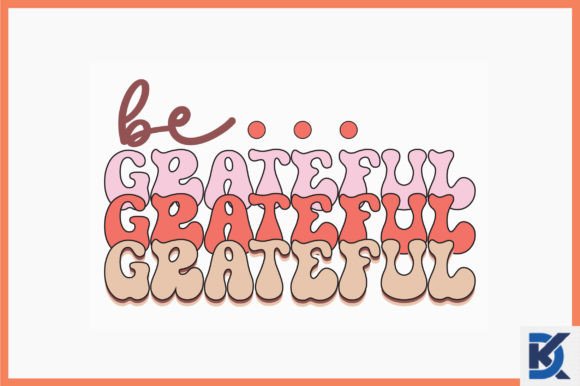
The moment you load Retro Be Grateful Svg into your digitizing or cutting software, the mood shifts. It carries that specific late-60s, early-70s energy—warm, inviting, and slightly imperfect in a way that feels authentic. For an embroidery project, this visual personality is crucial. It doesn’t scream for attention like a neon pop-art piece; instead, it invites the viewer closer. The typography likely leans towards bold, rounded, or distressed styles common in retro aesthetics, which translates beautifully to textile media.
From a design perspective, the layout feels balanced. It doesn’t feel cluttered, which is a common pitfall with text-heavy designs. The negative space is respected, allowing the fabric texture to breathe through the design if desired. This makes it particularly suitable for handmade products where you want the craftsmanship to shine alongside the message. It feels less like a logo and more like a statement piece, perfect for items that need to convey warmth and positivity without feeling overly commercial or sterile.
Real-World Application: From Screen to Stitch
I recently considered using this design for a batch of custom embroidered aprons intended as holiday gifts for a local boutique client. The scenario was specific: soft cotton twill, medium-weight fabric, and a need for durability through frequent washing. Here is how Retro Be Grateful Svg performed in that mental simulation, and why it fits certain categories better than others.
Apparel and Soft Goods: On a sweatshirt or a heavy cotton t-shirt, this design would anchor well. The retro vibe pairs naturally with vintage-wash fabrics. However, placement is key. Center chest works for a subtle nod, but a large back print or a pocket-sized placement can make the design pop. For sweatshirt embroidery, the thickness of the fleece provides a stable base, reducing the risk of puckering, provided the stabilizer is chosen correctly.
Accessories and Bags: A tote bag design is perhaps the most obvious use case. Canvas totes are durable and forgiving, making them ideal for testing new designs. The contrast between the natural canvas color and vibrant thread choices (mustard yellows, burnt oranges, deep teals) would enhance the retro aesthetic. It also works exceptionally well for embroidered patch applications, where the design could be stitched onto denim jackets or backpacks as a detachable accessory.
Nursery and Baby Items: There is a growing market for gentle, positive messaging in baby goods. While baby embroidery often favors simple icons, a tasteful execution of this design on a muslin blanket or a hooded towel could resonate with parents looking for meaningful gifts. The key here is scale; the design must be simplified or scaled down so it doesn’t overwhelm the small surface area.
Where Caution Is Required
No design is universally perfect, and Retro Be Grateful Svg has its limitations depending on the substrate. I would advise against using this on highly textured fabrics like bouclé or heavy waffle knits, as the stitch definition will be lost. Similarly, thin or stretchy fabrics require careful handling. If the underlying fabric stretches during stitching, the lettering may distort, ruining the clean lines essential for a professional finish.
Curved surfaces, such as baseball caps, present another challenge. While possible, the curvature can cause the text to appear warped if not hooped correctly. Additionally, dark fabrics demand high-contrast thread choices. If the design relies on subtle shading or light pastel threads, it may get lost against a black or navy background. Always test your thread colors against your actual fabric swatch before committing to a production run.
Technical Considerations for the Designer
When evaluating any machine embroidery design, technical specs matter. Since this is a digital asset, likely available in formats like SVG, PNG, EPS, DXF, and JPG, it is important to understand that these are vector or raster graphics, not necessarily native .PES or .DST files unless converted. If you are using this for cutting vinyl or printing, the resolution is fine. But for actual embroidery, you need to ensure the design has been properly digitized.
Stitch Density and Hoop Size: Before purchasing or downloading, check the recommended hoop size. If the design is too large for standard hoops, you will need multi-hoop editing skills, which adds complexity. Furthermore, review the stitch density. Dense fill stitches can make fabric stiff and heavy, which might be undesirable for lightweight garments. A mix of satin stitches for outlines and lighter fill stitches often yields a more premium feel.
Stabilizer Selection: Never underestimate the role of the stabilizer. For a design like this, which likely features both text and decorative elements, a cut-away stabilizer is usually safer for long-term durability, especially for items that will be washed frequently. Tear-away might suffice for one-time wearables, but for a commercial embroidery product meant to last, stability is paramount.
Impact on Product Value and Branding
Using a well-designed file like Rty Be Grateful Svg elevates the perceived value of your finished product. Customers can tell the difference between a rushed, low-effort print and a thoughtfully executed embroidery piece. The tactile nature of embroidery adds weight and presence to an item, making it feel more substantial and valuable.
For Etsy sellers and small shop owners, this design offers versatility. It can serve as a centerpiece for a fall collection, a Thanksgiving-themed gift set, or a general “gratitude” themed line. Its broad appeal means it doesn’t niche down too hard, allowing you to market it to various demographics—from college students decorating their dorm rooms to grandparents personalizing gifts for grandchildren.
However, professionalism hinges on consistency. Ensure that your mockups accurately represent the final product. Do not over-saturate the colors in your photos. Use proper lighting to show the texture of the thread. A clear, honest presentation builds trust and reduces returns due to mismatched expectations.
Final Verdict: Is It Worth the Investment?
If you are a craft business owner or a serious hobbyist looking to expand your catalog, Retro Be Grateful Svg is a strong contender. It strikes a balance between trendy aesthetics and timeless sentiment. It is versatile enough for apparel, accessories, and home decor, yet specific enough to stand out in a crowded marketplace.
Before integrating this into your workflow, remember these practical steps:
- Test First: Always stitch a sample on scrap fabric to check tension and thread compatibility.
- Check Licensing: Confirm whether the purchase allows for commercial use of finished goods. This is critical for digital product sellers and makers who intend to sell physical items.
- Mockup Wisely: Create realistic mockups that show the design on the actual type of fabric you plan to use.
- Inspect Details: Zoom in on the digitized version to ensure no tiny details are lost or overly dense.
In conclusion, Retro Be Grateful Svg is more than just a cute graphic; it is a functional design tool that, when used with care and technical knowledge, can produce high-quality, desirable handmade products. It respects the medium of embroidery while delivering a message that resonates emotionally with buyers. For those willing to put in the prep work, it offers a solid foundation for profitable and creative projects.