Play Ball Y all Embroidery Design Review
As a designer who spends more time than I care to admit staring at stitch density charts and testing thread tensions, I approach every new embroidery file with a mix of hope and skepticism. The market is flooded with generic sports motifs, so finding a design that actually feels fresh requires a sharp eye. That is exactly why I decided to put the Play Ball Y all design through its paces. This isn’t just about whether it stitches out cleanly; it is about whether it translates into a product that customers will actually want to buy or wear.
This retro baseball SVG design immediately catches the eye with its nostalgic charm. It is perfect on t-shirts, mugs, cards, and any printable craft projects, but as an embroidery professional, my focus is on the textile application. The layout suggests a casual, fun vibe that fits seamlessly into the world of handmade products. Whether you are an Etsy seller looking for your next best-seller or a hobbyist making a personalized gift, understanding how this graphic behaves in real-world scenarios is crucial before you hit the start button on your machine.
First Impressions and Visual Personality
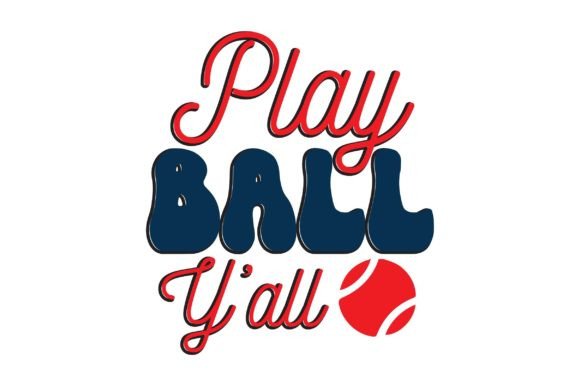
When I first opened the vector files for Play Ball Y all, the mood was instantly recognizable. It screams "classic Americana" without feeling dated. The typography has that slightly distressed, vintage sports aesthetic that works incredibly well when converted into thread. For designers, the challenge with retro fonts is always legibility after stitching. In this case, the letterforms are bold enough to hold up under satin stitches, yet the spacing allows for proper needle penetration without crowding.
The visual personality of this design is relaxed and approachable. It does not try too hard, which is often its greatest strength. In a sea of overly complex monograms and intricate floral patterns, a clean, sporty graphic stands out because it is easy to read from a distance. This makes it ideal for custom apparel where the message needs to be clear. The design assets are versatile enough to work on light heather gray sweatshirts, crisp white cotton tees, or even dark navy caps, provided you choose your thread colors wisely.
Real-World Application: From Screen to Stitch
I recently used a similar retro sports motif for a client project involving custom embroidered tote bags for a local little league team. While Play Ball Y all is distinct, the principles of application remain the same. Imagine taking this design and placing it on the front of a heavy canvas tote bag intended as a holiday gift. The contrast between the structured, geometric lines of the baseball theme and the rugged texture of the canvas creates a tactile appeal that photographs beautifully for social media.
For small business owners, this design offers high commercial potential. It fits perfectly into the category of personalized gifts. Picture a father’s day scenario: a customized apron featuring this design, stitched in bold red and navy threads. The emotional connection here is strong. Buyers are not just purchasing a piece of fabric; they are buying a memory associated with family gatherings and backyard barbecues. This kind of emotional resonance drives sales in the craft business, especially on platforms like Etsy where buyers look for items with character.
Furthermore, the design scales well. Whether you are creating a large chest logo on a polo shirt or a smaller accent patch on a denim jacket, the core elements remain intact. This flexibility is vital for digital product sellers who want their designs to be useful across multiple product types. A single machine embroidery design can justify a higher price point if it demonstrates versatility in mockups and finished examples.
Technical Considerations and Potential Pitfalls
While the artistic merit of Play Ball Y all is solid, practical execution requires caution. Not every surface is created equal, and certain fabrics will fight against this specific style of embroidery. For instance, attempting to stitch this onto a highly textured, thick chenille fabric might obscure the finer details of the lettering. Similarly, thin or stretchy knits can pucker if the underlying stabilizer is not chosen correctly. Always test the design on scrap fabric first to gauge how the stitch density interacts with your specific material.
Curved surfaces, such as baseball caps or rounded bottle holders, present another challenge. If the design includes tight corners or intricate curves, stretching the fabric over a hoop can distort the shape. I recommend using a rigid backing or a tear-away stabilizer to maintain structural integrity during stitching. Additionally, be mindful of dark fabrics. If the design relies on light-colored threads for contrast, ensure your digitizer has included adequate underlay stitches to prevent the thread from sinking into the fabric weave.
Another area requiring careful attention is the scale. Trying to shrink this design down to fit a tiny baby onesie pocket might result in lost detail. The text could become illegible, turning what should be a charming keepsake into a blurry mess. Conversely, enlarging it too much on a large blanket might make the design feel disconnected from the rest of the garment. Finding the right hoop size balance is key to maintaining the intended aesthetic.
Strategic Advice for Makers and Sellers
To maximize the value of this embroidery project, consider how it fits into your broader brand identity. If your shop focuses on rustic, farmhouse-style decor, the retro sports theme might need to be paired with complementary elements, such as burlap accents or muted earth tones, to create a cohesive look. On the other hand, if your brand is modern and minimalist, let the design speak for itself with plenty of negative space around the embroidery.
Before listing this as a small shop product, inspect the design in black and white mockups. This simple step helps you evaluate the balance of positive and negative space without being distracted by color choices. It also ensures that the design will look good regardless of the thread palette you eventually choose. Furthermore, confirm licensing terms carefully. If you plan to sell finished items, verify that the digital embroidery file grants commercial rights. Many creators overlook this detail, leading to legal headaches down the road.
Finally, think about the customer experience. A well-executed handmade product tells a story of quality and care. When a buyer receives a sweatshirt with crisp, clean stitching and no loose threads, their trust in your brand increases. They are more likely to leave a positive review and return for future purchases. By treating Play Ball Y all with the respect it deserves—testing thoroughly, choosing appropriate materials, and presenting it professionally—you transform a simple graphic into a valuable asset for your creative enterprise.
In conclusion, this retro baseball design is a strong contender for anyone looking to add some classic flair to their inventory. It balances nostalgia with modern usability, making it a smart choice for both personal projects and commercial ventures. Just remember: the difference between a good design and a great finished product lies in the preparation. Take your time, test your settings, and let the craftsmanship speak for itself.