My Coffee: A Designer’s Review for Real Embroidery Projects
As a designer who spends more time judging stitch density than choosing thread colors, I approach every new file with a mix of hope and skepticism. The market is flooded with generic clipart disguised as embroidery designs, so finding something that actually translates well from screen to fabric is rare. That is why I decided to put My Coffee through its paces. This retro coffee SVG design isn’t just another graphic; it’s a potential staple for your craft business or personal wardrobe. Below is my honest breakdown of how this design performs in real-world scenarios, where it shines, and where you might want to exercise caution.
First Impressions and Visual Personality
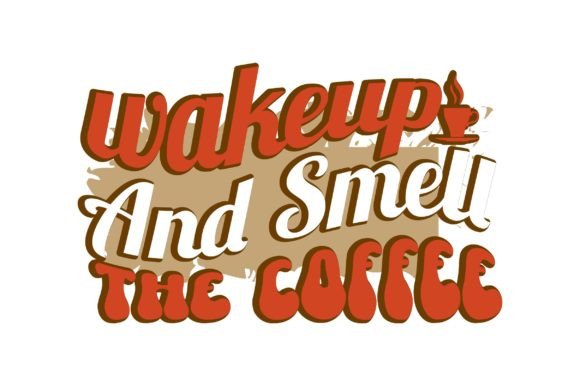
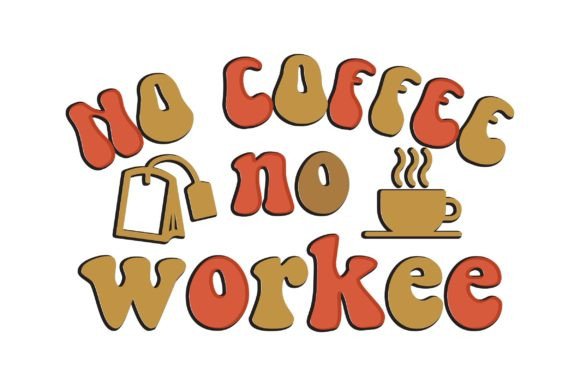
The moment you load the My Coffee design into your digitizing software, the mood is immediately apparent. It carries a distinct retro vibe—warm, nostalgic, and undeniably cozy. For embroidery designers, visual personality is half the battle won. If a design feels flat or overly complex without purpose, it will look cluttered once stitched. My Coffee, however, strikes a balance between playful and professional. The layout suggests a strong central focal point, which is crucial for maintaining clarity on garments like sweatshirts or tote bags.
This design naturally belongs to projects that celebrate comfort and routine. Whether you are creating a unique gift for a friend who lives by their morning brew or building a brand identity for a boutique coffee shop, the aesthetic fits seamlessly. It avoids the trap of being too childish or too corporate, landing squarely in that sweet spot of "approachable sophistication" that sells well on platforms like Etsy. When viewed as a digital asset, it promises a finished product that feels handmade yet polished.
Real-World Application: From Screen to Stitch
Let’s talk about actual use cases. I recently envisioned using this design for a custom embroidered tote bag line targeting local coffee enthusiasts. Here is how My Coffee would perform in that context:
- Tote Bag Design: The retro theme pairs beautifully with canvas or heavy cotton blends. The bold lines typical of this style hold up well against the texture of the fabric, ensuring the design doesn’t get lost in the weave.
- Sweatshirt Embroidery: For apparel decorators, this design offers excellent placement options. It works well centered on the chest or slightly off-center for a more casual, modern look. The color palette usually associated with coffee themes (browns, creams, deep reds) complements neutral hoodie colors perfectly.
- Personalized Gift: Imagine a baby shower gift featuring this motif on a muslin burp cloth or a small blanket. The gentle retro style is gender-neutral and timeless, making it a safe yet thoughtful choice for new parents.
- Commercial Embroidery: For small shop owners, this design can be part of a larger collection. It adds variety to your inventory without requiring excessive setup time, provided the file structure is clean.
The versatility extends beyond apparel. Consider an embroidered patch for a denim jacket or a kitchen towel for a housewarming present. The design’s simplicity allows it to function as a standalone statement piece, reducing the need for additional decorative elements that might complicate the stitching process.
Where Caution Is Required
No design is perfect for every surface. As an experienced reviewer, I must highlight specific areas where My Coffee requires careful handling to ensure a high-quality result.
First, consider the hoop size. While the design likely scales well, attempting to stitch it in a very small hoop on curved surfaces like caps or hats can lead to distortion. The curvature of a cap can stretch the fabric, causing straight lines in the design to appear wavy if not stabilized properly. Always test on scrap fabric first to gauge how the tension holds up.
Secondly, pay attention to stitch density. Retro designs often rely on solid fills or thick outlines. If the density is too high, the fabric may pucker, especially on lightweight materials like thin cotton tees or synthetic blends. Conversely, if the density is too low, the underlying fabric might show through, ruining the crispness of the retro aesthetic. Check the stabilizer requirements carefully; a cut-away stabilizer is often necessary for stretchy fabrics to prevent shifting during the run.
Another critical factor is thread colors. On dark fabric, you will need underlay stitches or a lighter base thread to make the design pop. If the contrast is insufficient, the intricate details of the coffee cup or text may vanish into the background. Similarly, on textured fabrics like chenille or heavy wool, fine details might get lost. In such cases, simplifying the design or increasing the scale is advisable.
Impact on Product Value and Brand Trust
In the world of handmade products, presentation is everything. A well-executed embroidery project signals quality and care. Using a design like My Coffee, which has clear visual hierarchy and thematic coherence, enhances the perceived value of your item. Customers are more likely to trust a seller who pays attention to detail, such as proper edge finishing and consistent thread tension.
For Etsy sellers and craft business owners, this design can boost engagement. Its relatable theme encourages sharing on social media, serving as free marketing when customers post photos of their new coffee mug or tote. Furthermore, because the design is versatile, it supports a wide range of design assets you can create, from printable mockups to physical goods, maximizing the return on your initial investment in the file.
Practical Designer Notes Before You Start
Before committing to a full production run or gifting a final piece, follow these practical steps to ensure success:
- Test on Scrap Fabric: Never skip this step. Use the exact fabric and stabilizer you plan to use for the final product. This reveals issues with puckering, thread breaks, or color mismatch early.
- Review Stitch Density: Zoom in on the digitized file. Look for areas where stitches might overlap excessively or leave gaps. Adjust if your machine handles density differently than the digitizer intended.
- Check Licensing: Confirm whether the file is licensed for personal use only or if it includes commercial rights. This is vital for small business merchandise and digital product sellers.
- Inspect Small Details: Ensure that any tiny text or fine lines in the retro artwork are large enough to be stitched clearly. If they are too small, consider simplifying them or increasing the design scale.
- Compare Backgrounds: Test the design on both light and dark backgrounds to see how the thread colors interact. This helps in selecting the best thread colors for maximum visibility and aesthetic appeal.
By taking these precautions, you protect your reputation as a creator and ensure that your customers receive a finished product that meets their expectations. My Coffee is more than just a cute graphic; it is a functional tool for creating meaningful, high-quality embroidered items. With careful execution, it can become a standout piece in your portfolio or a cherished gift for someone special.