Little Sister Embroidery Review
As a designer who spends half the day staring at stitch plots and the other half worrying about whether a client’s custom order will actually hold up in the wash, I don’t just look at an embroidery file; I look at its potential. When Little Sister landed on my desk, it wasn’t immediately clear if this was just another cute clipart asset or a genuine workhorse for a craft business. After putting it through the paces—thinking through real-world application, fabric behavior, and end-user satisfaction—I have some strong opinions on where this design fits and where it might trip you up.
First Impressions: Mood and Visual Personality
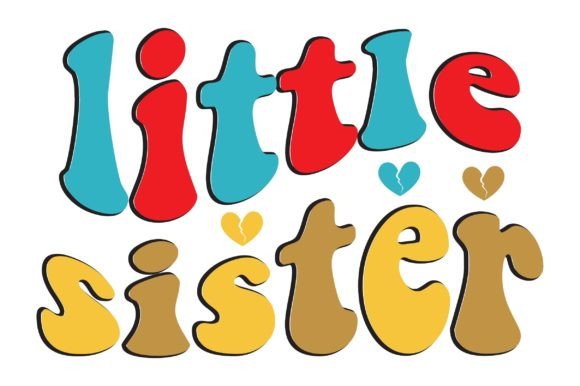
The moment you open the file, the retro Baby SVG aesthetic jumps out. It has that nostalgic, slightly kitschy charm that works exceptionally well for handmade goods. The layout feels balanced, neither too cluttered nor too sparse, which is a delicate balance to strike in digitizing. For me, the immediate mood it creates is one of warmth and nostalgia. It doesn’t scream for attention like a bold graphic tee design; instead, it invites a closer look.
This isn’t just a pretty picture; it’s a functional piece of visual storytelling. The shape and theme suggest a connection to family, siblings, and new beginnings. In the world of Crafts and Graphics, emotional resonance sells. A buyer scrolling through an Etsy shop isn’t just buying a t-shirt; they are buying a memory or a sentiment. Little Sister delivers that sentiment clearly. It feels personal, intimate, and ready to be attached to something meaningful. However, as a reviewer, I must note that while the visual personality is strong, its success depends entirely on how well it translates from screen to thread.
Real-World Application: Where Does It Shine?
Let’s talk about actual production. I recently imagined using this design for a custom embroidered tote bag intended as a gift for a new aunt. The scenario felt natural. The retro vibe pairs beautifully with canvas totes, creating a boutique-style product that looks expensive but is relatively quick to produce. But let’s expand beyond that single use case.
This embroidery project is versatile enough to anchor several categories of handmade product lines:
- Custom Apparel: On a sweatshirt embroidery or a soft cotton t-shirt, the design acts as a focal point. It works particularly well on pastel or neutral tones where the retro colors can pop without clashing. Think of it as a staple for custom apparel collections aimed at millennials and Gen Z who love vintage aesthetics.
- Baby Items: Given the subject matter, baby embroidery is a no-brainer. Whether it’s on a muslin blanket, a burp cloth, or a onesie, the design adds a layer of care and specificity. It transforms a generic baby gift into a personalized keepsake.
- Home Decor: I see this performing well on kitchen towels or pillow covers. The printable mockup potential here is high because the design is compact enough to fit on smaller items without overwhelming them.
- Accessories: An embroidered patch version of this could be huge for caps or hats. If you are selling to parents who want to mark their child’s belongings, this design offers a level of detail that stands out against the uniformity of mass-produced labels.
For the Etsy seller or small shop owner, this design bridges the gap between hobbyist crafting and professional retail. It allows you to create a cohesive brand identity centered around family and retro style. When customers see consistent quality across different products—a tote bag, a mug sleeve, and a card—they trust the brand more. Little Sister provides that consistency.
Technical Considerations and Stitch Performance
Here is where the rubber meets the road. As an experienced designer, I am cautious about any design that promises too much detail in a small space. While Little Sister is charming, not all fabrics will forgive every line and curve.
When evaluating the stitch density, you need to ensure the design isn’t too dense for lighter fabrics. If you are stitching this onto a thin tea towel or a stretchy jersey knit, you risk puckering. This is why testing on scrap fabric first is non-negotiable. You need to check how the stabilizer interacts with the base material. A cut-away stabilizer might be necessary for woven items like tote bags, while a tear-away might suffice for sturdier cotton blends used in shirts.
Pay close attention to the satin stitch areas. In retro designs, outlines often carry the weight of the image. If the satin stitches are too narrow or the underlay is insufficient, the edges can look ragged after washing. Conversely, if the fill stitch areas are too tight, the fabric may become stiff and uncomfortable, especially on apparel. I recommend inspecting the small details closely. Are there tiny elements that might get lost in the thread? If so, consider simplifying the design or increasing the hoop size slightly to give those details room to breathe.
Also, consider the thread colors. Retro palettes often rely on specific contrasts. If you choose low-contrast threads on a similarly colored fabric, the design will disappear. Always test your colorway. A black and white mockup is a useful tool here; if the design lacks definition in grayscale, it will likely struggle in color too.
Where to Be Careful
No design is perfect for every surface. There are specific scenarios where Little Sister might not perform as expected:
- Small Hoop Sizes: If you are trying to squeeze this into a very small hoop (like 4x4 inches), ensure the fine details remain legible. Sometimes, scaling down a design causes overlapping stitches that blur the image.
- Textured Fabrics: Materials like fleece, heavy denim, or highly textured weaves can hide the intricacies of the design. The needle penetration might be uneven, leading to skipped stitches.
- Curved Surfaces: While this design could work on a cap, the curvature can distort the perspective. Ensure your digitizing accounts for the dome shape, or the text and graphics might appear stretched.
- Frequent Washing: If the finished product is destined for daily wear or use (like a kitchen towel), verify the durability of the running stitch accents. Loose ends can fray over time if not properly trimmed and secured.
Final Verdict: Is It Worth the Investment?
For the creative entrepreneur looking to add depth to their craft business, Little Sister is a solid addition to your library of design assets. It offers a unique angle that differentiates your offerings from generic animal or floral motifs. It speaks directly to a niche audience that values personalization and retro charm.
However, success lies in execution. Do not assume the file will work perfectly out of the box. Treat it as a starting point. Adjust the hoop size to suit your garment, select threads that complement the retro palette, and always, always do a test run. By paying attention to these practical details, you transform a simple digital file into a premium finished product that customers will cherish.
If you are an Etsy seller or a maker building a brand around heartfelt, handmade gifts, this design fits seamlessly into your workflow. It elevates the perceived value of your items and encourages sharing. Just remember to check the licensing terms before selling commercial items, and confirm compatibility with your specific machine settings. With careful planning, Little Sister can be more than just a cute graphic—it can be the centerpiece of your next best-selling collection.