Daisy Ghost SVG - Halloween Sublimation Review
As a designer who spends more time than I care to admit staring at stitch density charts and testing thread tension, I approach every new digital asset with a healthy dose of skepticism. The market is flooded with generic clip art, but finding a machine embroidery design that balances aesthetic charm with technical feasibility is rare. When I first encountered the Daisy Ghost SVG - Halloween Sublimation, my initial reaction was curiosity mixed with caution. Halloween designs often lean too heavily into horror or cliché, but this particular file promises a softer, retro vibe that could translate beautifully into wearable art if executed correctly.
I recently took this design out for a spin in my studio, treating it as if it were a real client order for a boutique holiday collection. The goal was to determine whether this embroidery file holds up under the pressure of commercial production or if it remains strictly a hobbyist’s toy. Below is my honest breakdown of how the Daisy Ghost SVG - Halloween Sublimation performs when moved from screen to fabric.
First Impressions: Mood and Visual Personality
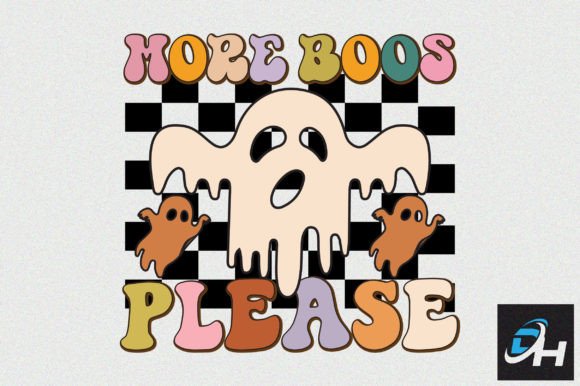
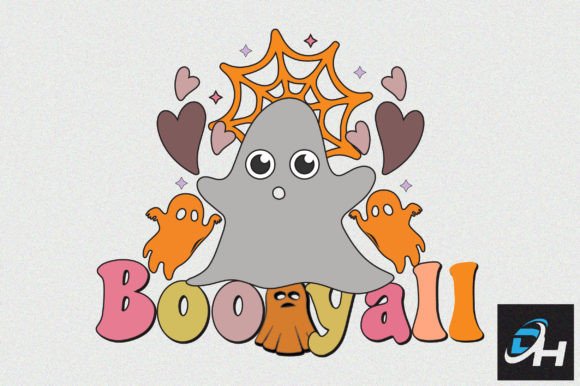
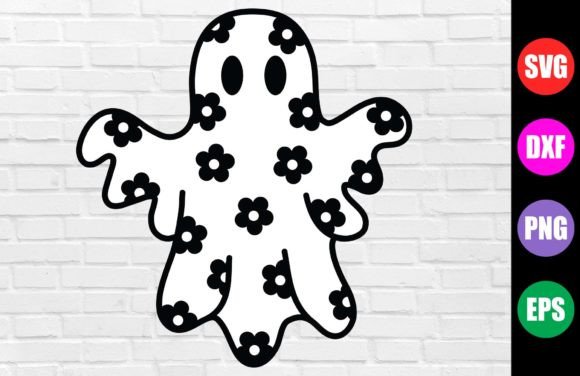
The visual personality of this design is its strongest asset. Unlike traditional spooky ghosts that feature jagged edges or menacing expressions, this ghost carries a gentle, nostalgic energy. It feels like something you might find on a vintage 1970s tea towel or a retro surf poster. This "retro" classification is crucial because it broadens the target audience. It appeals not just to those looking for scary decorations, but to customers seeking cozy, autumnal home decor or understated seasonal apparel.
In terms of layout, the design relies on clean lines and open spaces. For an embroidery designer, this is music to our ears. Designs that are too cluttered often result in muddy stitching where fill stitches collide with satin borders. The Daisy Ghost SVG - Halloween Sublimation avoids this pitfall by maintaining a clear focal point. The mood is playful yet sophisticated, making it suitable for a wide range of products without feeling juvenile or overly childish.
Real-World Application: Where This Design Shines
To truly test the versatility of this digital embroidery file, I simulated several common use cases found in small business merchandise and Etsy listings. Here is how the design translates across different mediums:
- Custom Apparel and Sweatshirts: This design excels on heavyweight cotton blends. When placed on the chest of a crewneck sweatshirt, the retro ghost creates a striking contrast against heather grey or muted olive fabrics. It works particularly well as a standalone graphic, allowing the fabric texture to complement the satin stitch details.
- Tote Bag Design: A canvas tote is perhaps the most practical application. The design’s simplicity ensures it remains legible even on the slightly uneven surface of canvas. It transforms a basic bag into a handmade product that feels curated and intentional, perfect for fall markets or back-to-school seasons.
- Baby Embroidery and Nursery Decor: Because the ghost is non-threatening, it fits seamlessly into nursery themes. Imagine this stitched onto a muslin burp cloth or a small pillow cover. The soft aesthetic aligns perfectly with modern parenting trends that favor neutral tones and whimsical motifs over loud prints.
- Embroidered Patch: If you are creating accessories, this design can be easily converted into an embroidered patch. The clean outlines make it ideal for iron-on applications, adding a touch of personality to denim jackets or beanies.
For Etsy sellers and craft business owners, the flexibility here is key. You can market this as part of a "Spooky Season" collection without alienating buyers who prefer subtle holiday nods. It bridges the gap between commercial embroidery and personal expression.
Technical Considerations and Stitching Clarity
No matter how beautiful a design looks in PNG format, its success lies in the stitching. When evaluating the Daisy Ghost SVG - Halloween Sublimation, I paid close attention to potential trouble spots. The design appears to utilize a mix of fill stitch for the body and likely running stitch or thin satin stitch for details like eyes or mouth.
The stitch density seems moderate, which is generally safe for most household machines. However, designers must always verify the specific digitization before running large batches. If the ghost’s features are too fine, they may get lost in the fabric weave, especially on textured materials like terry cloth or thick fleece. I recommend inspecting the small details in your software to ensure that no elements are so thin they risk breaking the thread during high-speed stitching.
Another critical factor is the choice of thread colors. To maintain the retro vibe, avoid neon threads. Instead, opt for cream, off-white, or pastel yellow for the ghost, paired with muted orange or deep purple for accents. This color palette enhances the visual appeal and ensures the finished product looks professional rather than garish.
Where to Use Caution
While this design is versatile, it is not universally applicable. There are specific scenarios where you should reconsider using this graphics asset:
- Small Hoop Sizes: If you are working with a 4x4 hoop or smaller, ensure the design scales down properly. Tiny details may become indistinguishable, resulting in a blobby appearance.
- Stretchy or Thin Fabrics: On lightweight jersey or stretchy knit fabrics, the stabilizer requirements increase significantly. Without proper backing, the ghost shape may pucker or distort, ruining the brand consistency of your product.
- Curved Surfaces: While caps and hats are popular canvases, flat designs like this ghost may look distorted if not carefully adjusted for curvature. Test on a scrap piece of cap material first.
- Dense Stitch Areas: If the design includes heavy fill areas, be mindful of fabric stiffness. On items like aprons or kitchen towels, excessive density can make the fabric rigid and uncomfortable to use.
Impact on Product Value and Customer Trust
In the world of handmade goods, presentation is everything. A well-executed embroidery project signals quality and attention to detail. When a customer receives a personalized gift featuring the Daisy Ghost SVG - Halloween Sublimation, they are buying into the story behind the design. The retro aesthetic suggests thoughtfulness, which builds customer trust and encourages repeat purchases.
Furthermore, using a unique, well-digitized design helps differentiate your shop from competitors who rely on mass-produced, low-quality files. By showcasing the clarity of the stitches and the precision of the placement, you demonstrate professionalism. This is especially important for apparel decorators and small shop product creators who want to justify premium pricing.
Practical Designer Notes for Implementation
Before committing to a full production run, I strongly advise taking these steps:
- Test on Scrap Fabric: Always run a test stitch on the exact fabric you plan to use. This reveals issues with thread tension, needle size, and stabilizer compatibility.
- Check Thread Contrast: Ensure there is enough contrast between the thread and the fabric. Low-contrast combinations can make the design disappear.
- Review in Black and White: Convert your mockup to black and white to check the balance of positive and negative space. This helps identify any awkward gaps or overcrowded areas.
- Confirm Licensing: Verify the license terms for the Daisy Ghost SVG - Halloween Sublimation. Ensure you have the right to sell finished physical items, especially if you are operating a craft business.
- Use Proper Stabilizer: Choose a cut-away stabilizer for stretchy fabrics and a tear-away for wovens. The wrong choice can lead to puckering or residue left on the garment.
In conclusion, the Daisy Ghost SVG - Halloween Sublimation is a strong candidate for designers looking to add a touch of retro charm to their Halloween offerings. Its clean lines and friendly aesthetic make it adaptable to various embroidery projects, from tote bags to sweatshirt embroidery. By paying attention to technical details like stitch density and fabric choice, you can create a finished product that resonates with customers and stands out in a crowded marketplace.